Philosophers Wiki
A quick reference on each thinker available on Dialogos, arranged from oldest to most recent, to help you choose who to invite to your next meeting.
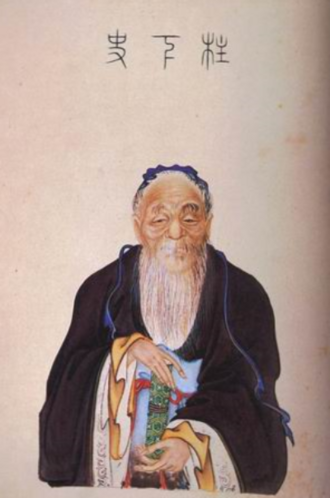
Laozi
trad. VIᵉ s. av. è.c.
Semi-legendary Chinese sage, traditional author of the Tao Te Ching. Founder of Taoism, he advocates non-action (wu wei) and harmony with the Dao, the invisible way that runs through all things.
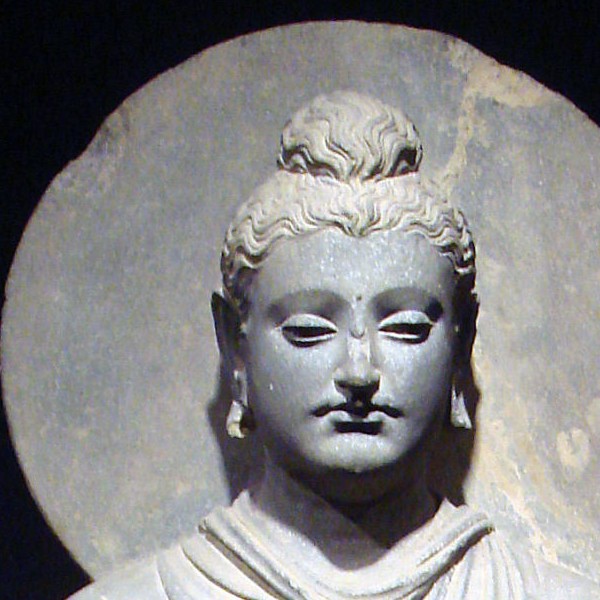
Le Bouddha
trad. v. 563–483 av. è.c.
Indian prince turned ascetic then awakened one, founder of Buddhism. Teaches the Four Noble Truths and the middle way to free oneself from suffering.
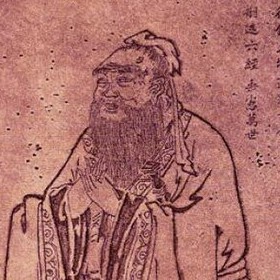
Confucius
v. 551–479 av. è.c.
Chinese master and founder of Confucianism. Places humaneness (ren) and ritual at the heart of virtue, and moral example at the heart of good government.
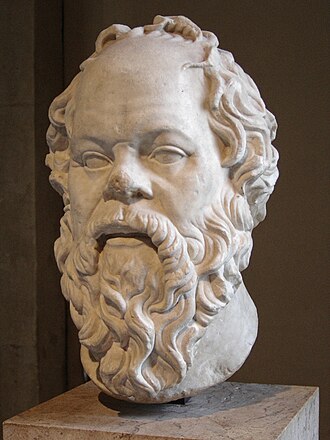
Socrate
v. 470–399 av. è.c.
Athenian philosopher who wrote nothing, known through his disciples. Invents the method of questioning (maieutics) to bring forth truth and expose false certainties.
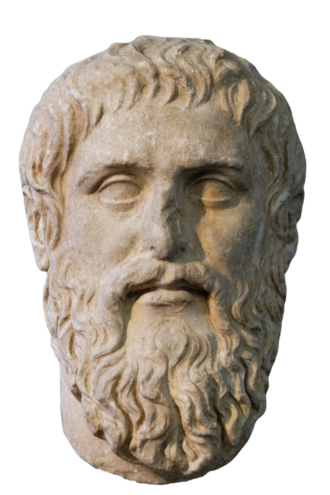
Platon
v. 428–348 av. è.c.
Disciple of Socrates, founder of the Academy. Develops the theory of Forms: the sensible world is only an imperfect image of a perfect intelligible world.
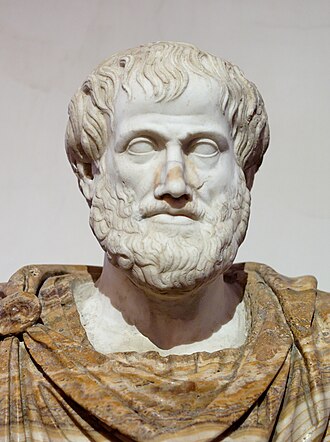
Aristote
384–322 av. è.c.
Student of Plato, tutor to Alexander the Great. Founds formal logic and a philosophy of nature and ethics grounded in observation of the real.
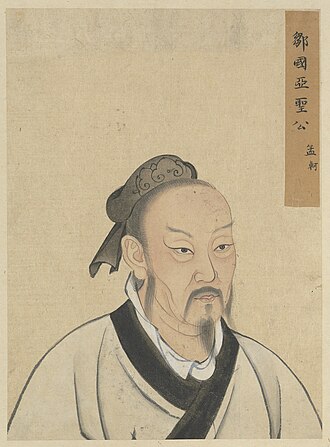
Mencius
v. 372–289 av. è.c.
Disciple of the Confucian school, argues that human nature is good at its origin and that the people may legitimately overthrow a tyrant.
Zhuangzi
v. 369–286 av. è.c.
Playful Taoist sage, author of famous fables such as the butterfly dream. Relativizes all human distinctions in the name of the great flow of the Dao.
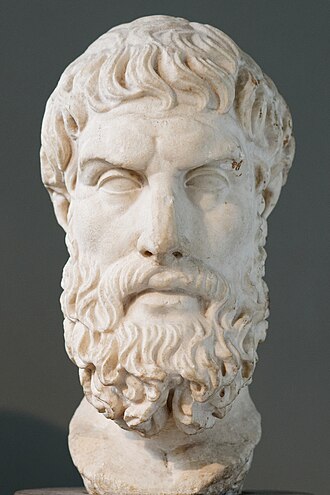
Épicure
v. 341–270 av. è.c.
Founder of Epicureanism. Advocates a simple, serene life, freed from fear of the gods and of death, to reach ataraxia.
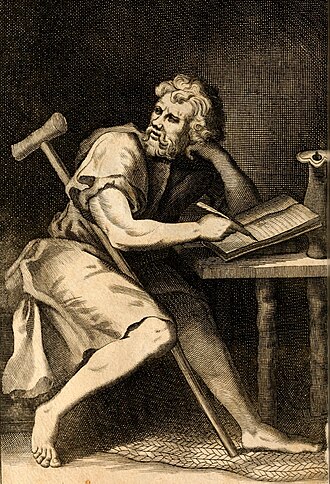
Épictète
v. 50–135
Former slave turned Stoic master. Teaches how to distinguish what depends on us from what does not, the only path to inner freedom.
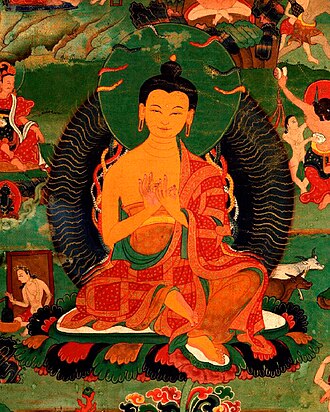
Nagarjuna
v. 150–250
Indian Buddhist philosopher, founder of Madhyamaka. Develops the doctrine of emptiness (śūnyatā): nothing exists independently, everything is interdependent.
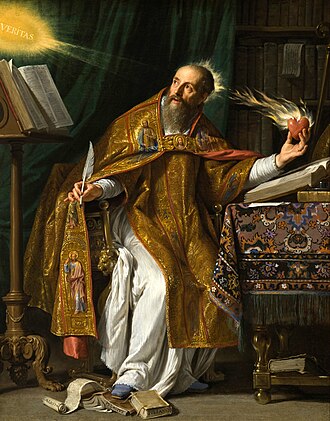
Augustin d’Hippone
354–430
Bishop and theologian, converted after a dissolute youth. Explores time, evil and divine grace in the Confessions and The City of God.
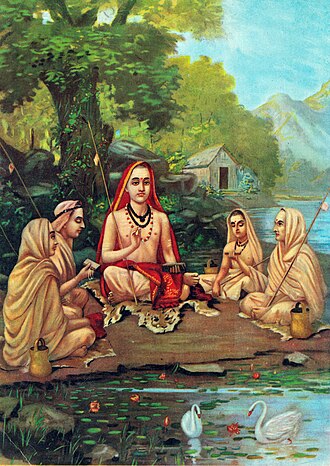
Ādi Śaṅkara
v. 788–820
Indian master of Advaita Vedānta. Teaches that the individual self (ātman) and the absolute (brahman) are one, and that the sensible world is an illusion (māyā).
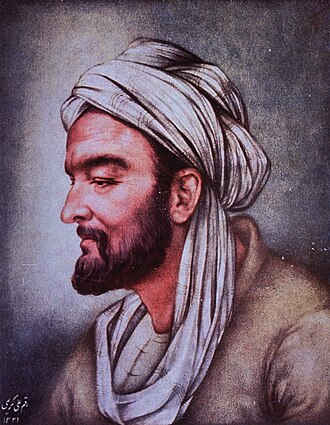
Avicenne
980–1037
Persian physician and philosopher, author of The Canon of Medicine. Distinguishes essence and existence, and demonstrates the immateriality of the soul through the 'floating man' experiment.
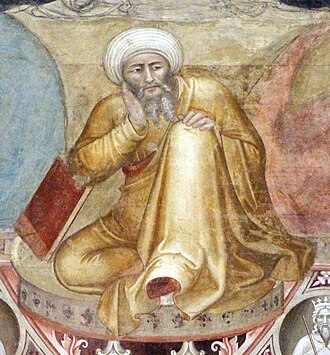
Averroès
1126–1198
Andalusian philosopher and jurist, great commentator on Aristotle. Defends the compatibility of philosophical reason and religious faith.
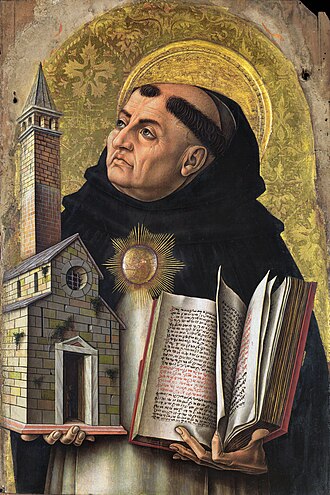
Thomas d’Aquin
1225–1274
Dominican theologian, synthesizes Aristotle and Christian faith in the Summa Theologiae. Formulates five rational proofs of God's existence.
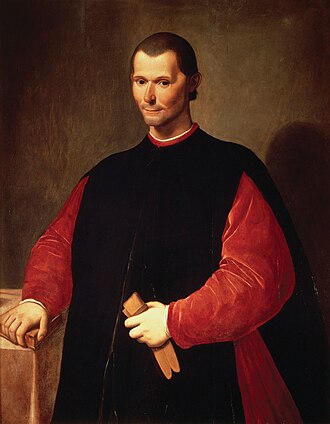
Machiavel
1469–1527
Florentine diplomat, author of The Prince. Analyzes political power as it is actually exercised, without moral naivety.
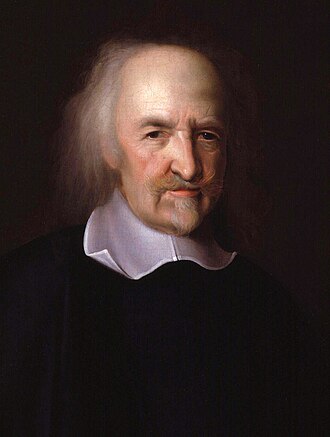
Thomas Hobbes
1588–1679
English philosopher of Leviathan. Describes the state of nature as a war of all against all, which only an absolute sovereign can quell.
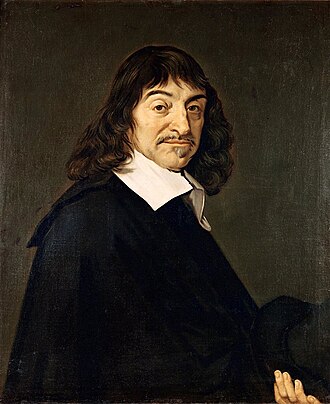
Descartes
1596–1650
Father of methodical doubt and mind-body dualism. Grounds philosophical certainty on 'I think, therefore I am.'
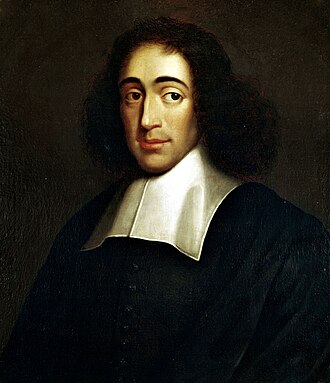
Spinoza
1632–1677
Dutch philosopher of Sephardic origin. Identifies God with Nature in a deterministic system where freedom consists in understanding the causes that determine us.
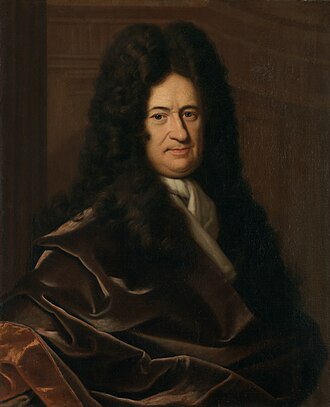
Leibniz
1646–1716
German philosopher and mathematician, co-inventor of calculus. Argues that our world, despite its imperfections, is 'the best of all possible worlds.'
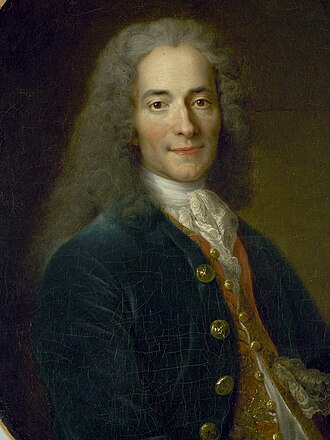
Voltaire
1694–1778
Enlightenment writer and philosopher, tireless defender of tolerance and freedom of expression, often through irony and pamphlet.
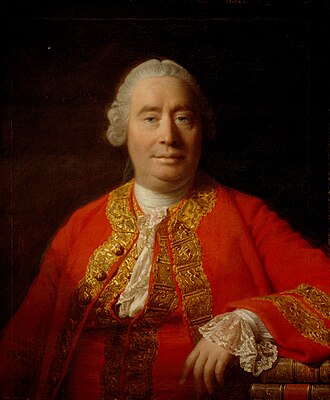
Hume
1711–1776
Scottish empiricist philosopher. Shows that causality is never perceived, only a habit of mind born from repetition.
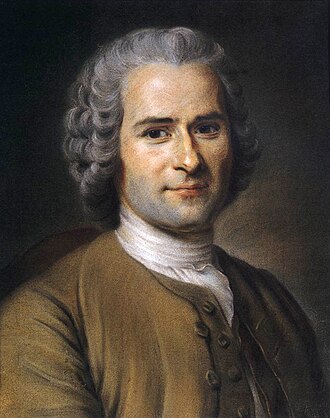
Rousseau
1712–1778
Genevan philosopher of The Social Contract. Argues that man is naturally good and that it is society that corrupts him.
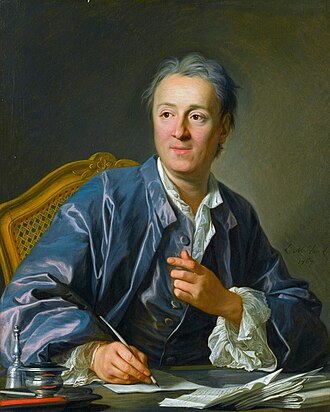
Diderot
1713–1784
Editor of the Encyclopédie, materialist and free-thinker of the French Enlightenment, curious about everything and readily provocative.
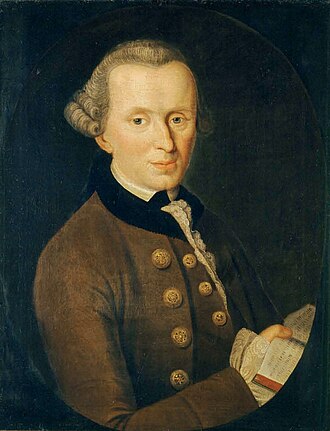
Kant
1724–1804
Philosopher of Königsberg, author of the three Critiques. Grounds morality on the categorical imperative: act only according to a rule you could will to be universal.
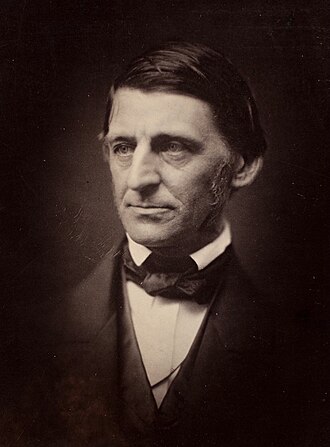
Ralph Waldo Emerson
1803–1882
American essayist, central figure of Transcendentalism. Advocates self-reliance and the rejection of social conformity.
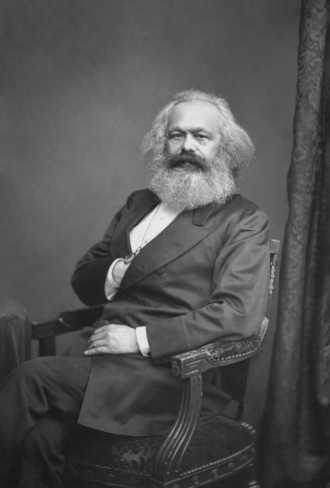
Marx
1818–1883
German philosopher and revolutionary theorist. Analyzes history as class struggle and announces the overcoming of capitalism by communism.
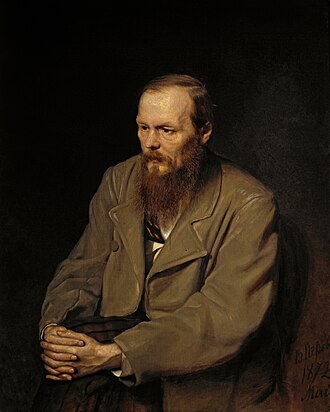
Dostoïevski
1821–1881
Russian novelist exploring freedom, faith and suffering through tormented characters (Crime and Punishment, The Brothers Karamazov).
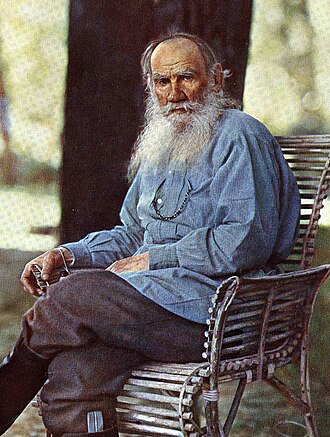
Tolstoï
1828–1910
Russian novelist (War and Peace) who, after a spiritual crisis, became a preacher of a radical Christianity founded on non-violence.
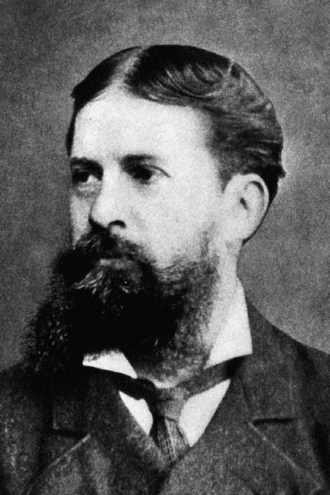
Charles Sanders Peirce
1839–1914
American logician and scientist, founder of pragmatism: the meaning of an idea is measured by its conceivable practical consequences.
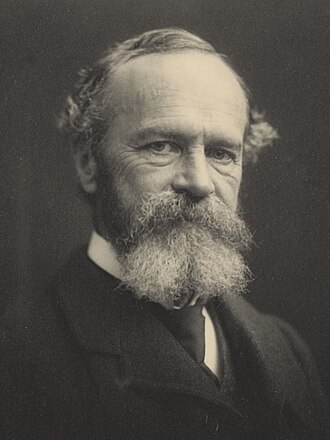
William James
1842–1910
American psychologist and philosopher. Argues that the truth of an idea is verified by its concrete effects on lived experience.
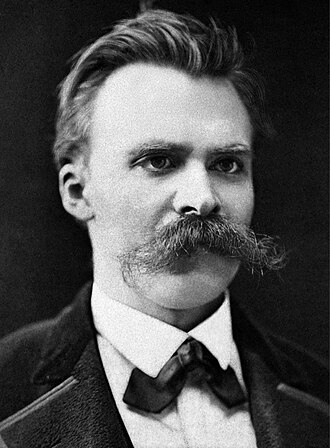
Nietzsche
1844–1900
German philosopher, critic of traditional morality. Announces the death of God, the will to power and eternal recurrence.
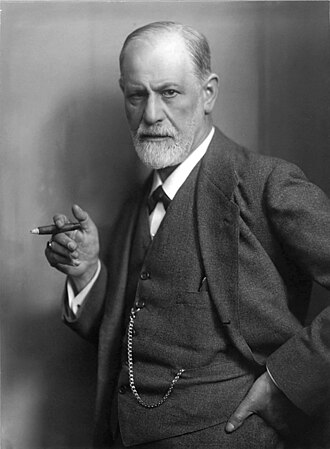
Freud
1856–1939
Austrian physician, founder of psychoanalysis. Reveals the unconscious, repressed drives and their influence on psychic life.
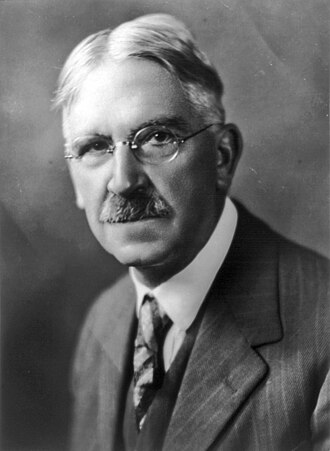
John Dewey
1859–1952
American pragmatist philosopher, major thinker on education. Thought always arises from a concrete situation to be resolved, never from pure speculation.
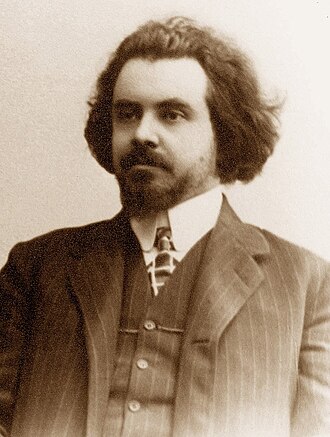
Berdiaev
1874–1948
Exiled Russian philosopher, Christian thinker of freedom. Places personal freedom above any totality — state, society, church.
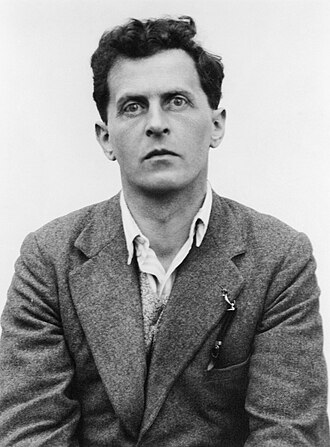
Wittgenstein
1889–1951
Austrian philosopher of language. First a logician with the Tractatus, then a critic of his own work: the meaning of a word is its use within a shared language game.
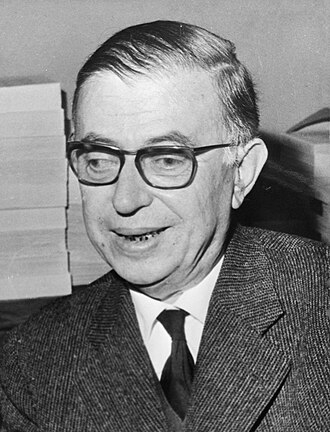
Jean-Paul Sartre
1905–1980
French existentialist philosopher. 'Existence precedes essence': man defines himself through his choices, condemned to be free.
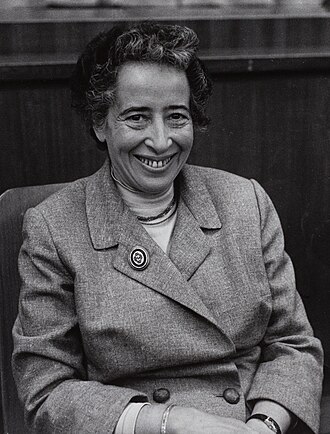
Hannah Arendt
1906–1975
German-born, American-naturalized political philosopher. Analyzes the origins of totalitarianism and the 'banality of evil.'
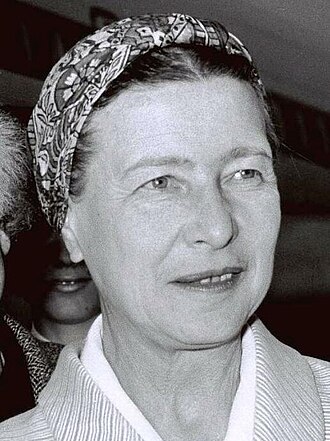
Simone de Beauvoir
1908–1986
French existentialist and feminist philosopher, author of The Second Sex: 'One is not born, but rather becomes, a woman.'
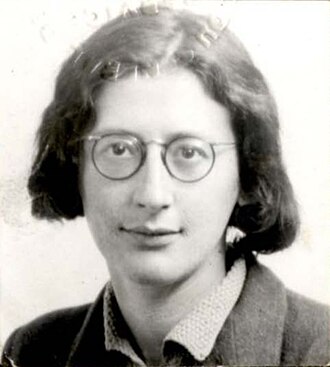
Simone Weil
1909–1943
French philosopher and mystic, committed alongside factory workers. Reflects on attention, affliction, and the need for roots.
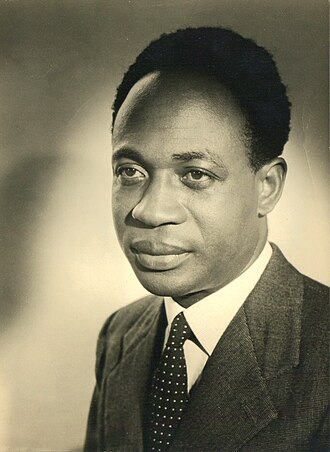
Kwame Nkrumah
1909–1972
First president of independent Ghana, theorist of Pan-Africanism. Denounces neo-colonialism and advocates the political unity of Africa.
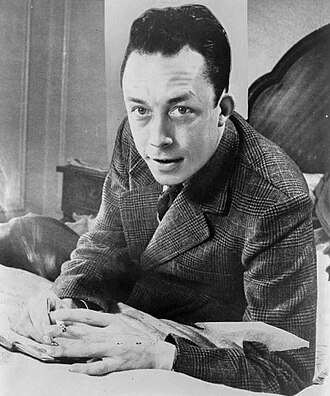
Camus
1913–1960
Writer and philosopher of the absurd. Facing a world without meaning or God, 'one must imagine Sisyphus happy.'
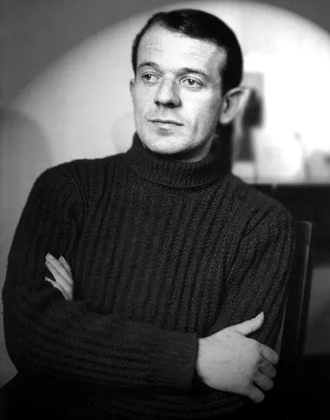
Deleuze
1925–1995
French philosopher, thinker of desire and difference. Develops with Félix Guattari the concepts of rhizome and becoming.
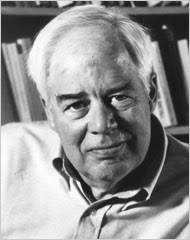
Richard Rorty
1931–2007
American neopragmatist philosopher. Criticizes the idea that the mind is a 'mirror of nature' and defends a contingent truth, shaped by our vocabularies.
Photo credits
Le Bouddha : Photo : พระมหาเทวประภาส วชิรญาณเมธี, CC BY-SA 3.0, via Wikimedia Commons
Averroès : Photo : Sailko, CC BY 3.0, via Wikimedia Commons
Jean-Paul Sartre : Photo : auteur inconnu, CC BY-SA 3.0 nl, via Wikimedia Commons
Hannah Arendt : Photo : Barbara Niggl Radloff, CC BY-SA 4.0, via Wikimedia Commons
Simone de Beauvoir : Photo : Moshe Milner, CC BY-SA 3.0, via Wikimedia Commons
Kwame Nkrumah : Photo : The National Archives UK, Open Government Licence v1.0
Gilles Deleuze : Photo : Tintinades, CC BY-SA 4.0, via Wikimedia Commons
Richard Rorty : Photo : Manuelredondoduenas, CC BY-SA 3.0, via Wikimedia Commons
The other portraits are in the public domain. All images come from Wikimedia Commons.